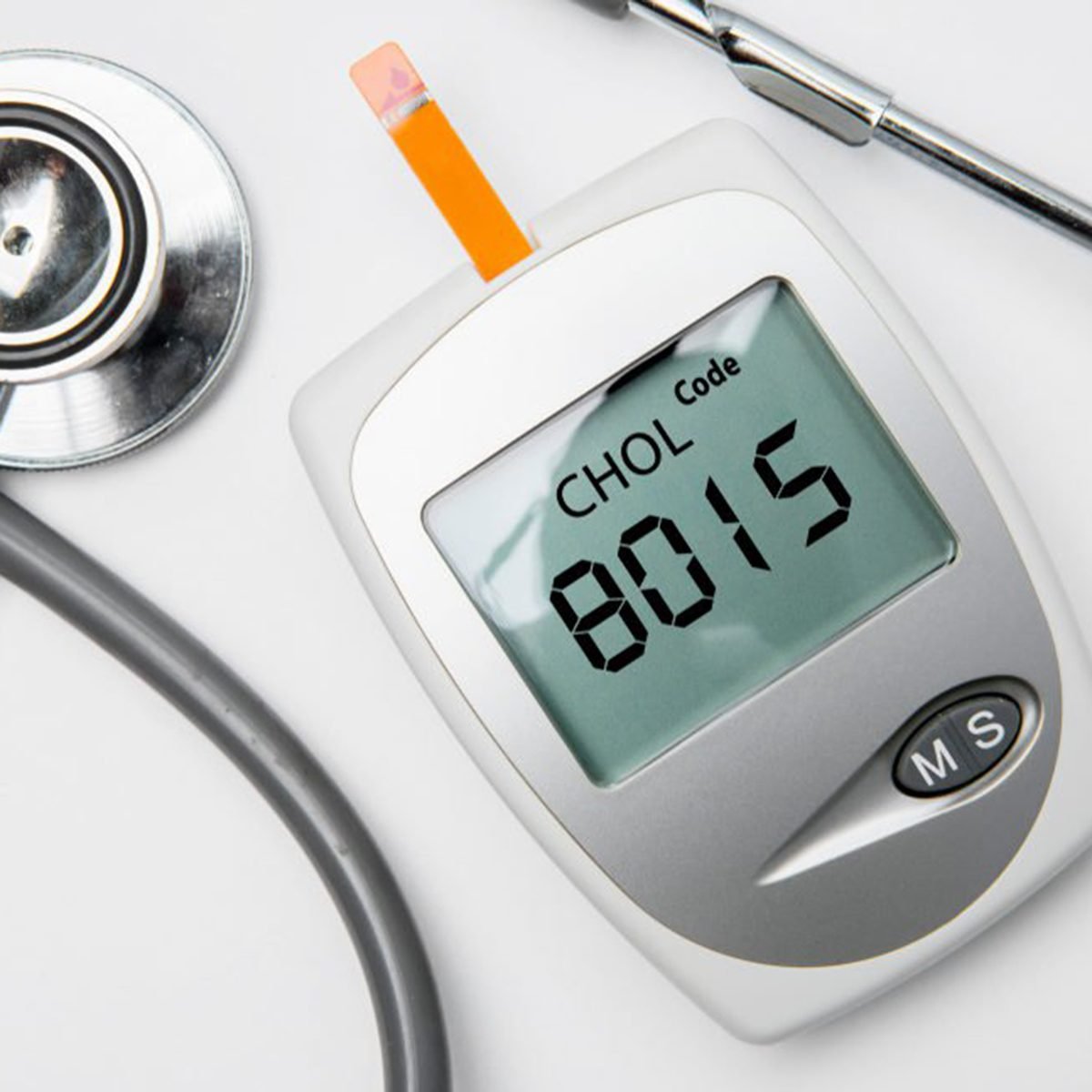
Cholesterol indicators
Researchers have learned a lot about cholesterol since the days when your doctor would warn you off eggs and shellfish. We now know that while those foods contain cholesterol, eating them will not significantly raise cholesterol levels in the blood. Cholesterol comes in different kinds of protein-containing particles, including high-density lipoproteins (HDLs), low-density lipoproteins (LDLs) and very low-density lipoproteins (VLDLs). The cholesterol theory of heart disease is that certain particles, such as LDLs and VLDLs break off and clog arteries, resulting in atherosclerosis.
Most experts backed away from using total cholesterol level as the marker, after researchers discovered that one form, HDL, may actually be protective. At that point, LDL cholesterol became the indicator to watch, though some doctors look at all non-HDL cholesterol, including both LDL and VLDL. More recently, cardiologists like Dr. Allan Sniderman of McGill University in Montreal have been calling for testing what he calls a more accurate marker—a blood protein known as apolipoprotein B (apoB). While previous cholesterol markers just show the amount of lipid in the blood, Dr. Sniderman says, ApoB provides a direct measure of cholesterol-carrying particles.
The post The 10 Worst Foods for Your Cholesterol appeared first on Taste of Home.
Jill Waldbieser