
Not checking for hidden sugar
While bread does need a pinch of sugar to activate the yeast, it shouldn’t be dessert (unless it really is dessert). Be sure to check the label for any added sugar, which is used to help the bread retain moisture and taste sweeter, but can spike your daily sugar consumption. Watch out for ingredients like corn syrup, cane juice and even honey, too. To ensure there’s no added sugar, make your bread at home.

Assuming “wheat” means healthy
Seeing “wheat” on the packaging might suggest your loaf is packed with fiber and nutrients, but you’ll want to check the ingredient list to be sure. The only flour you should see listed is “whole wheat flour” or “100% whole wheat flour”—other flours are often stripped of nutrition. Here’s the trick to making whole wheat bread.

Assuming “all-natural” is a good thing
This is another common label trap, and, unfortunately, it doesn’t mean much. Brands can still use enriched white flour, sugar and additives in an “all-natural” product. Your best bet is to look for words like “organic” and consult the ingredient list. Options with whole wheat flour, few ingredients and no sugar will be much healthier than the “all-natural” choice.

Not knowing the difference between whole wheat and whole grain
Though they’re not synonymous, both types of bread keep the entire wheat kernel intact. However, whole-grain bread can also include other grains, like rice and barley—whole wheat bread is a type of whole-grain bread. Learn more about the difference.

Thinking that more grains are better than one
“Multi-grain” is another deceptive label—it means that multiple grains (think rice, corn or barley) can be included with the wheat, but none of those are guaranteed to be whole grains. To get the most nutritious flour, focus on the word “whole.” Learn how to make whole wheat bread at home.

Ignoring additives
The best bread is fresh bread—but not bread that’s been kept fresh through preservatives. If you can, avoid bread with long ingredient lists and only buy bread with ingredients you can pronounce. FYI: You can freeze bread to keep it fresh.

Not looking for hidden salt
Both our bodies and bread require salt—but sometimes brands add more to enhance flavor or act as a preservative. To monitor your sodium intake, look for bread with less than 150mg of sodium per serving, and make other low-sodium swaps where you can.

Only looking in the bread aisle
Sprouted breads like Ezekiel bread are the must nutrition-dense options, and they’re usually found in the refrigerated or freezer sections. They contain whole grains that have been germinated, which some nutritionists say are healthier, have lower gluten contents and are easier for our bodies to digest.
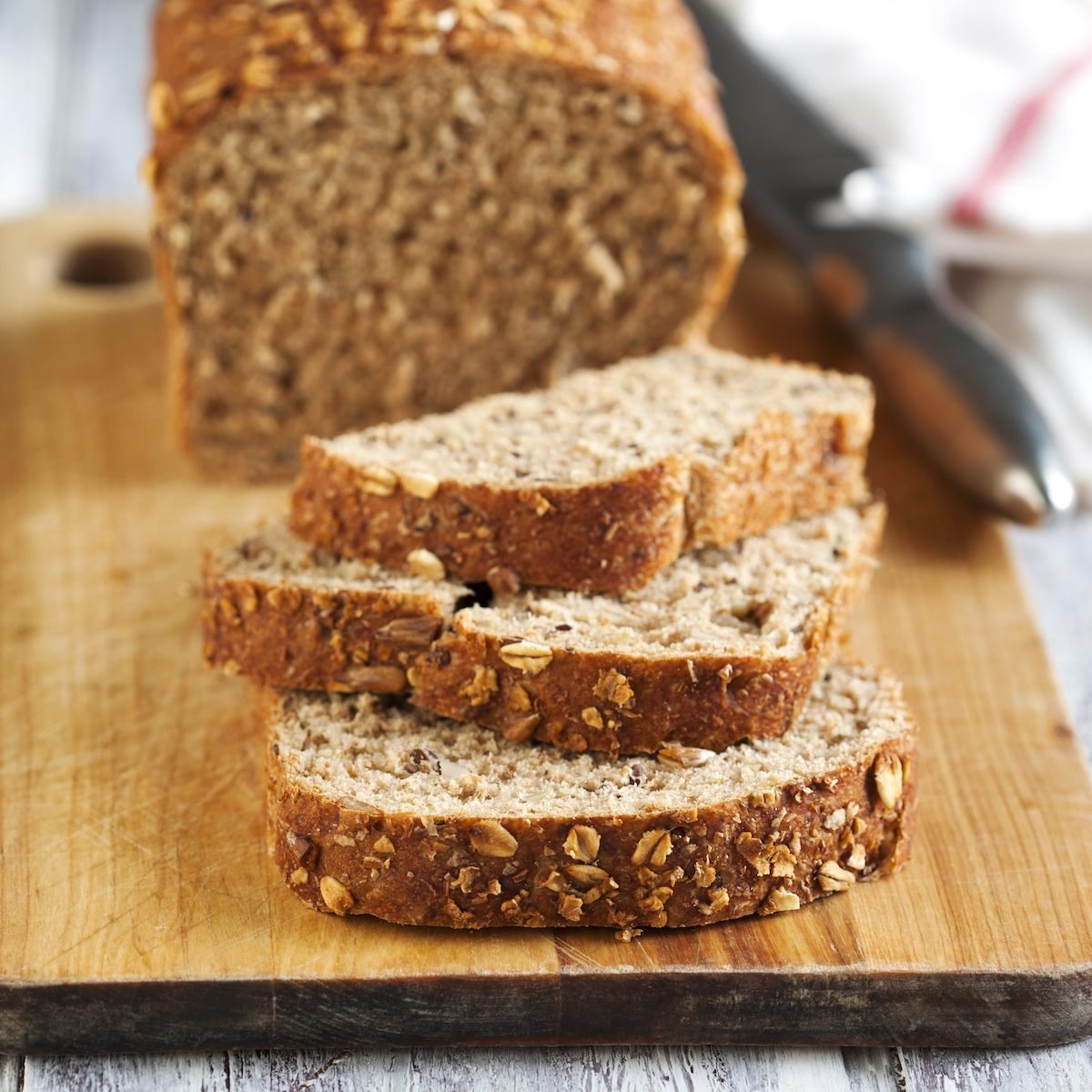
Forgetting about fiber
One of bread’s great benefits is its fiber content. But the more processed a loaf is, the less fiber it’s likely to have. Keeping an eye on “whole grain” and “whole wheat” labels should guarantee you get 3-4 grams per serving. Find more high-fiber foods to add to your grocery list.

Shopping for gluten-free bread
Unless you have celiac disease or a gluten intolerance, gluten-free breads aren’t necessarily a healthier choice. Many of them are made from starches like rice and potatoes and contain preservatives and sweeteners.
If you do want gluten-free bread, try making it at home or look for those made with low-carb, high-fiber options like almond or coconut flour.
The post 10 Mistakes Everyone Makes When Buying Bread appeared first on Taste of Home.
Kim Bussing