America loves its shrimp—just look at this wide variety of shrimp recipes! And according to an in-depth investigation into America’s love of this sweet yet savory crustacean by Consumer Reports, Americans eat, on average, almost four pounds of shrimp per year. With many shellfish to sample, shopping for shrimp can be confusing. That’s why we put together this handy guide for all the types of shrimp you might buy.
Farmed vs. Wild
Before we differentiate tiger prawns from rock shrimp, let’s get into the basics of how shrimp comes to your supermarket. Shrimp is either farmed or caught out in the wild. According to Consumer Reports’ investigation, it’s best to shop for sustainably farmed or responsibly caught shrimp. This ensures that your shrimp makes its way to your table in an eco-friendly way. In general, follow these two guidelines:
- For wild shrimp, look for certification from the Marine Stewardship Council or shrimp listed as “Best Choice” or “Good Alternative” on seafoodwatch.org.
- For farmed shrimp, look for certification from Naturland, Aquaculture Stewardship Council or Whole Foods Responsibly Farmed.
Shrimp vs. Prawns
Let’s talk about the difference between shrimp and prawns. Some folks think that shrimps are just, well, shrimpier prawns, but that’s not the case. On the surface, shrimp look different—they have that trademark bend or curl to their body while prawns do not. They also have some other distinct biological differences (the types of gills and claws), but we won’t bore you with that.
What’s important to know is that these two can be used interchangeably, so if your local grocer is out of rock shrimp but you see tiger prawns are on sale, it’s an OK substitution.
Types of Shrimp
Rock Shrimp

Rock shrimp get their name from their rock-hard shells, and are usually sold cleaned and de-shelled since the process is pretty challenging. Flavor-wise, rock shrimp taste very similar to lobster—they even have a lobster-like texture. So this is a great substitute if you’re looking for the flavor of lobster with the ease of preparation of shrimp.
White Shrimp
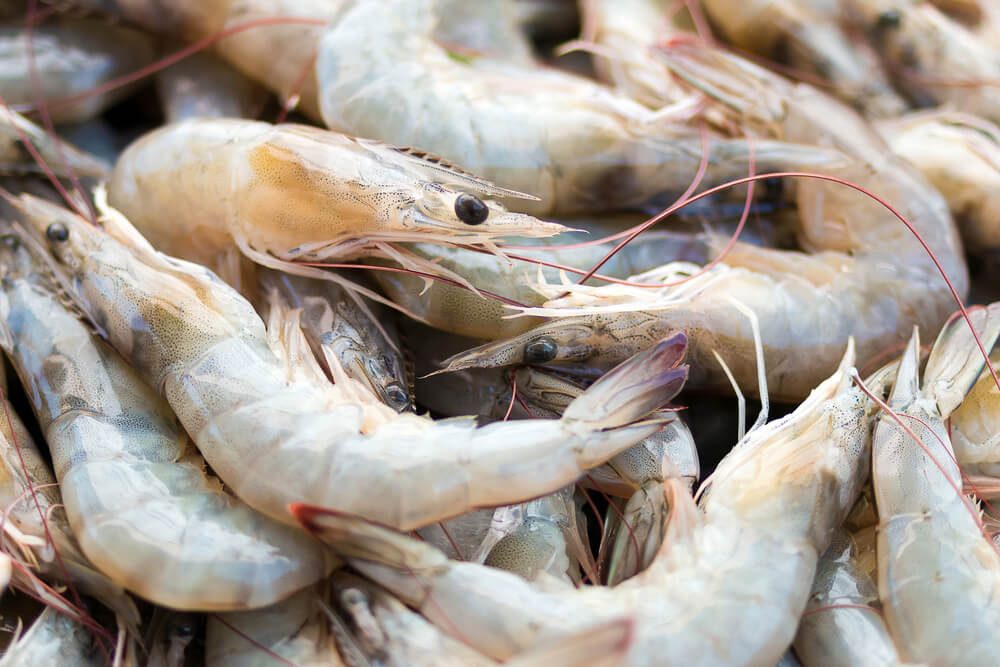
The term “white shrimp” covers many different species of shrimp, all of which are translucent blueish-greenish when raw but pink when cooked, and all of which tend to be sweet, tender and easy-to-peel. These shrimp are tender with a sweet flavor. Most of the time, generic white shrimp is actually Pacific white shrimp or whiteleg shrimp for those of you that want to know exactly what species you’re cooking.
Learn how to grill shrimp in no time!
Pink Shrimp

Pink Shrimp, like white shrimp, is a blanket term used for several species of shrimp that are generally pink when raw, though the hues can range from almost white to almost gray. Most are small in size and are sometimes designated as “salad shrimp” (because they go well in shrimp salad). Overall, these shrimp are mild and sweet.
FYI, this is how to clean and devein shrimp the right way.
Spot Prawns
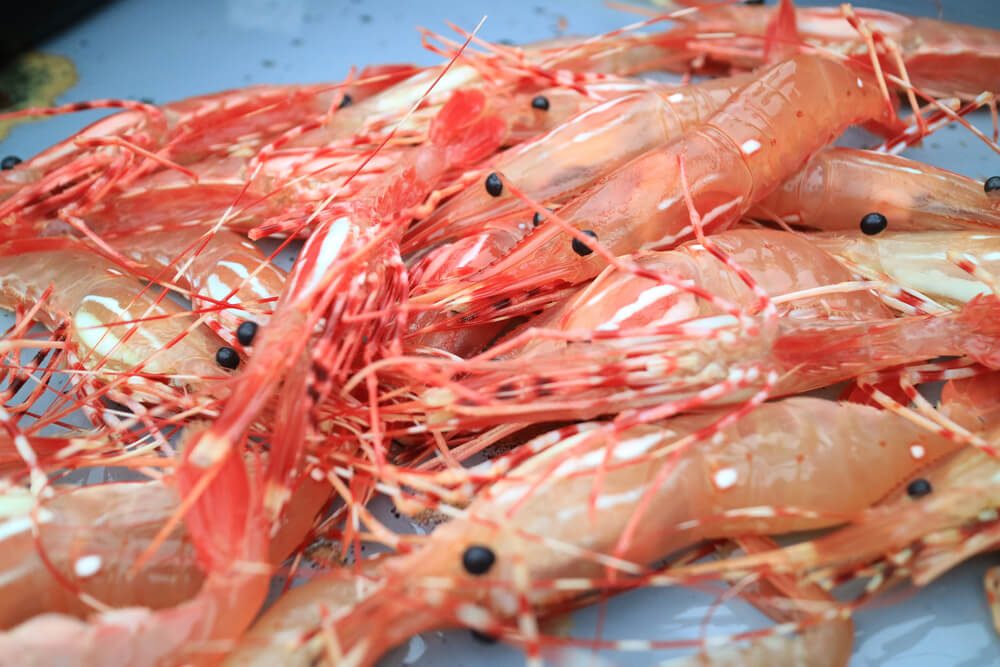
This one is a bit of a paradox. First of all, biologically speaking, spot prawns are shrimp. Second, these shrimps are jumbo, growing up to 12 inches in length. Aside from their size, you can tell a spot prawn by its spikes and by the fact that it’s easy to tear them in half while peeling them. Spot prawns tend be wild-caught off the coasts of Alaska, California, Washington and British Columbia, and fetch a heftier price than most other shrimp (and prawns).
Tiger Prawns

You can tell tiger prawns (or tiger shrimp) by the telltale striping on the body. These prawns are mostly found in Asia but there are some non-native populations off the East Coast as well. Like spot prawns, tiger prawns can grow enormous in size (up to 12 inches long). Whether farmed or fresh, they have a strong shrimp flavor.
Brown Shrimp

Brown shrimp have reddish-brown shells with dark green and red tail-fan appendages. Along with white shrimp, they are the most commonly sold American wild-caught shrimp and come primarily from the Gulf of Mexico. They may also be referred to as “summer,” “redtail” or “golden” shrimp. These shrimp tend to have a firm texture and a mild, mineral-like taste.
Now that you know how to pick out your shrimp like a boss, try cooking it one of these 10 ways.

Asparagus 'n' Shrimp with Angel Hair

Garden-Fresh Seafood Cocktail

Oven-Baked Shrimp & Grits

Shrimp & Nectarine Salad

Feta Shrimp Tacos

Cilantro Lime Shrimp
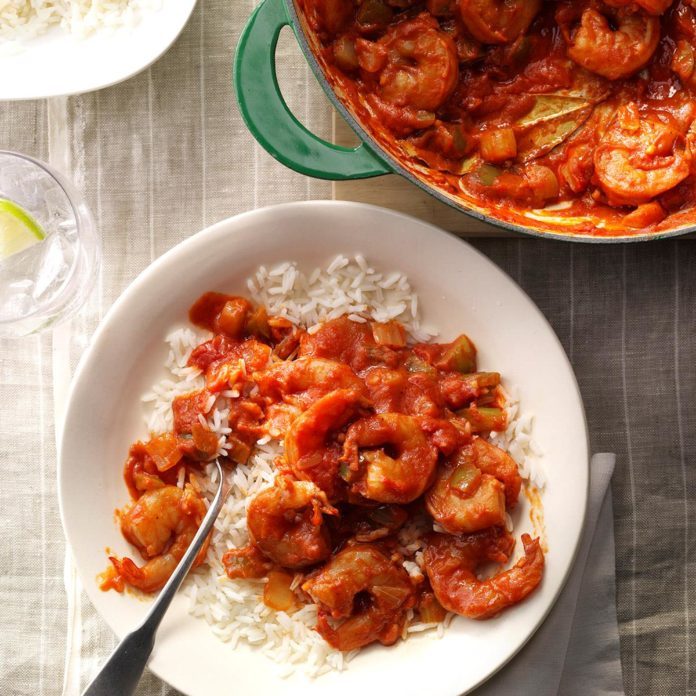
True Shrimp Creole

Shrimp Monterey

Shrimp Chowder

Shrimp Lover Squares
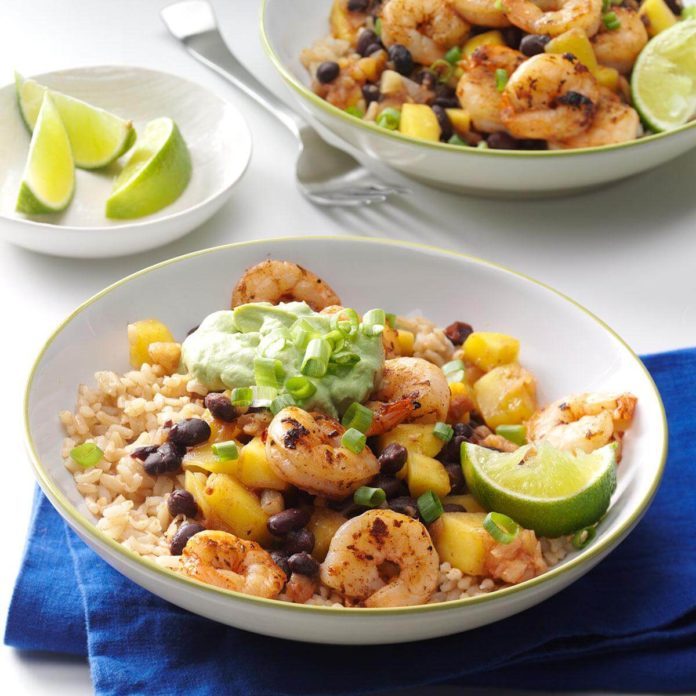
Caribbean Shrimp & Rice Bowl

Shrimp Pad Thai Soup

Cajun Boil on the Grill

Shrimp & Crab Pizza

Mediterranean Shrimp Orzo Salad
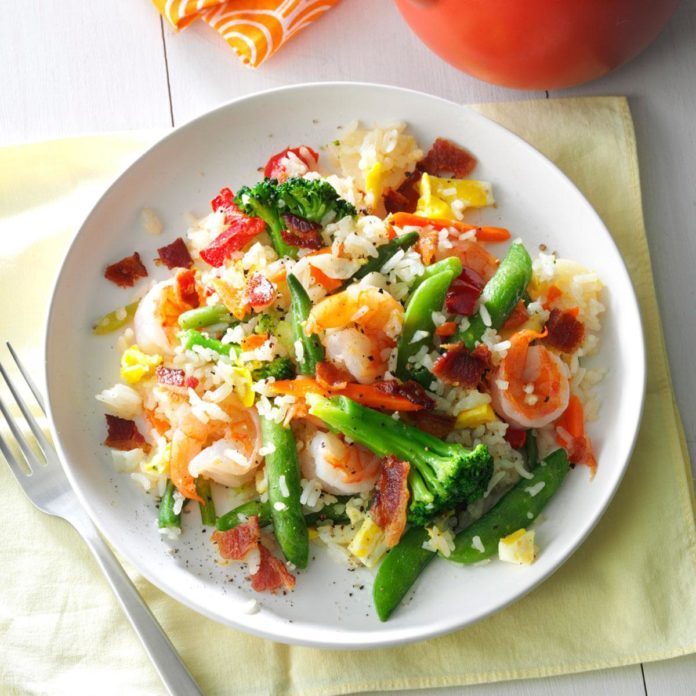
Shrimp Fried Rice

Lemon & Dill Shrimp Sandwiches

Party Shrimp

North Carolina Shrimp Saute

Shrimp Gazpacho
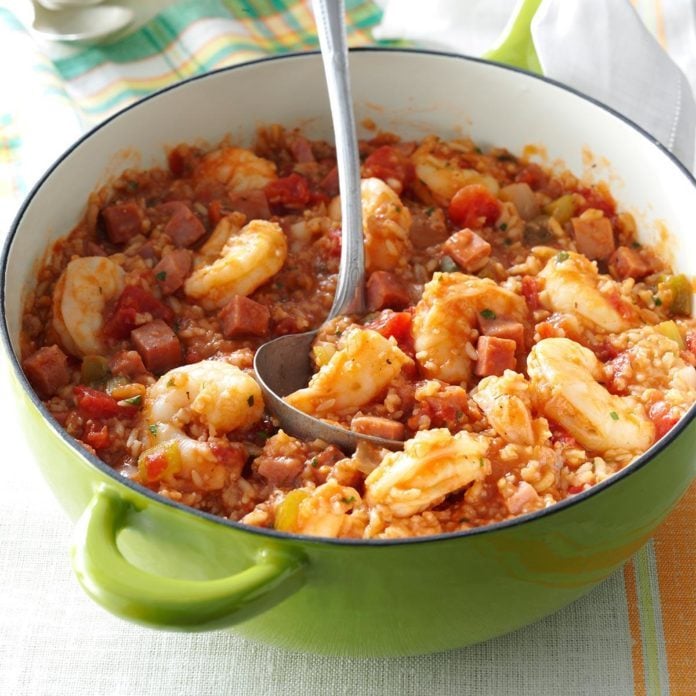
Creole Jambalaya

Shrimp Pasta Salad

Creamy Seafood Enchiladas
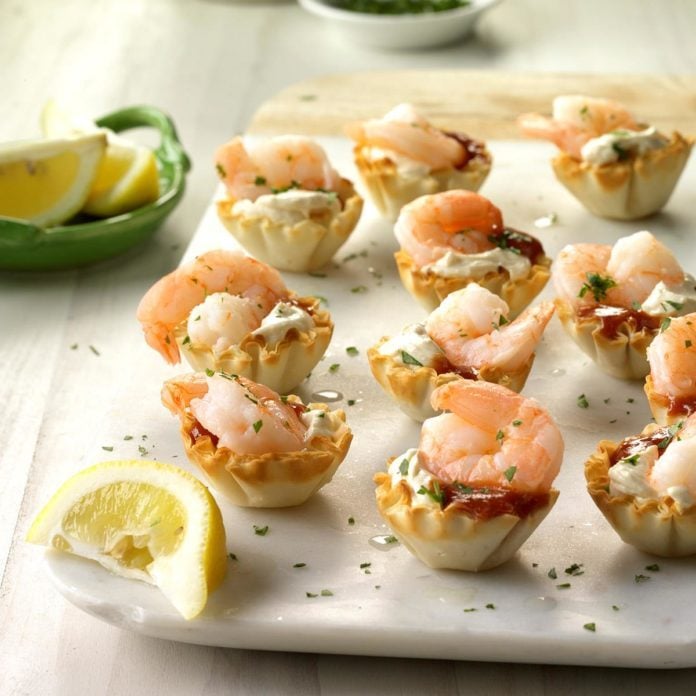
Shrimp Tartlets

Finger-Lickin'-Good Shrimp

Southern Seafood Gumbo

Split-Second Shrimp

Garlic Lemon Shrimp
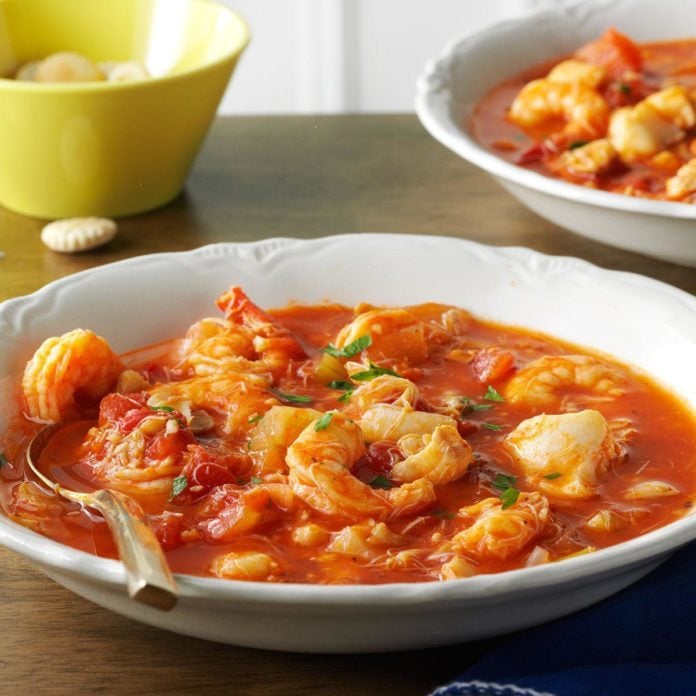
Seafood Cioppino

Sesame Cilantro Shrimp
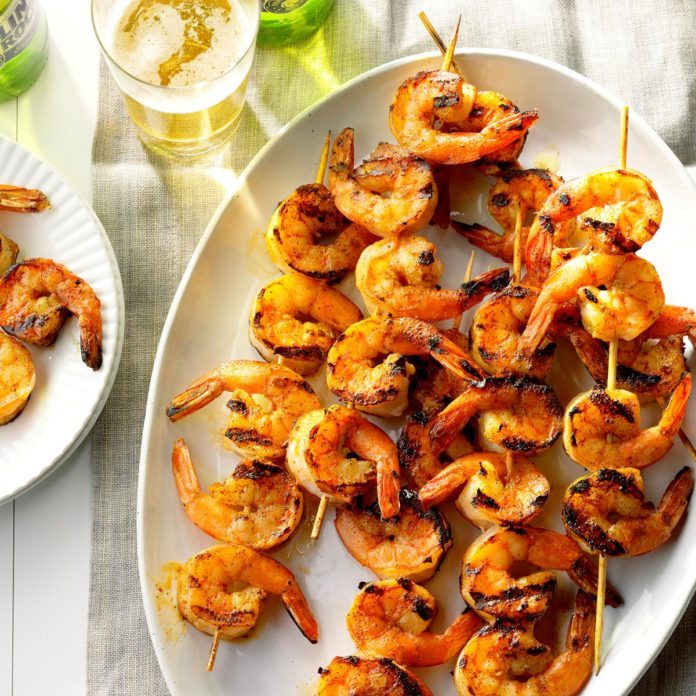
Buttery Grilled Shrimp

Garlic Shrimp & Orzo Salad

Shrimp & Vegetable Boil

White Seafood Lasagna

Asian Shrimp Pancakes
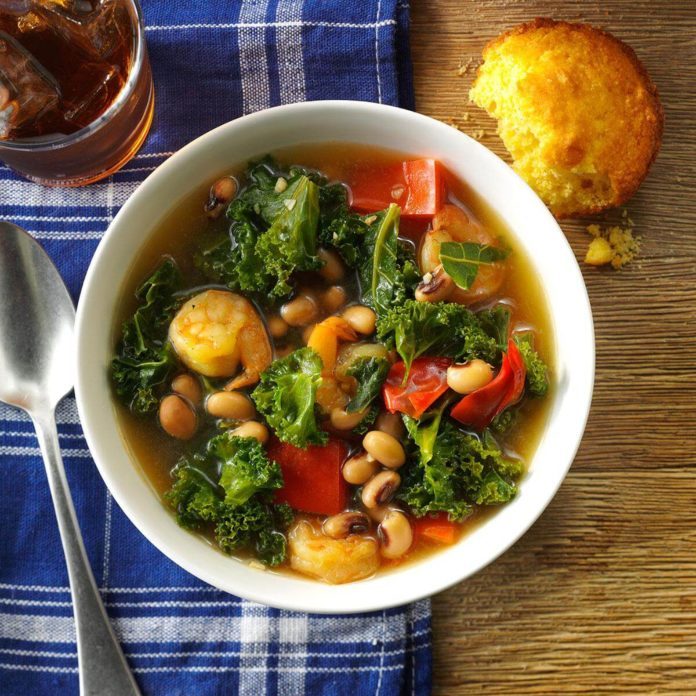
Carolina Shrimp Soup

Pickled Shrimp with Basil

Shrimp & Sweet Potato Skewers

Lime-Marinated Shrimp Salad

Spicy Shrimp & Penne Pasta

Shrimp Avocado Salad

Spicy Sweet Shrimp with Pineapple Salsa

Shrimp Puttanesca

Fajita-Style Shrimp and Grits

Shrimp with Warm German-Style Coleslaw
The post Are You Choosing the Right Type of Shrimp for Your Recipes? appeared first on Taste of Home.
Lauren Cahn