You might hear “fermentation” as a buzz-worthy trend at hip grocery stores. But this method is hardly new. With origins dating back to 6000 B.C., our ancestors used it to preserve food, giving it a tangy taste. Fermentation is still used by home cooks today, too. Have you ever made sauerkraut? How about yogurt?
So, Why Is It Trending?
The reason fermentation is making a comeback is due to the beneficial bacteria they generate, also known as probiotics. Fermented foods boast little microbes that are being touted for their potential healthy attributes.
The Health Benefits of Fermentation
Hard evidence is not in on all the possible benefits of probiotics. Scientific American has cautioned that most of the health claims are unsupported at this point, especially as they relate to individuals who are already healthy.
But the potential probiotic benefits include improvements in the duration of colds, immunity, absorption of nutrients and digestive disorders. Some research also suggests that if you’re feeling a little blue, you may want to reach for these bugs to help boost your mood. These possible benefits along with the mutually beneficial relationship between our bodies and these useful bugs are why some health professionals are adding fermented foods to their list of food recommendations.
What Foods Are Fermented?
Your local market is bound to have some great probiotic foods to start adding to your shopping list: tempeh (fermented soybeans with a meat-like texture), miso paste (fermented soybean paste often used in dressings or soup bases), kimchi (spicy Korean condiment), kombucha (fermented tea), sauerkraut (fermented cabbage) and kefir (fermented yogurt-like drink).
The Art of Fermenting
The process of fermentation is much simpler than you may realize. Just follow these steps the USDA has set out to keep home fermentation safe and free from unwanted mold or bacteria:
Use glassware. When it comes to fermenting, ditch your favorite stainless bowls to avoid leaching metals into your food. If you happen to find a specific crock or pottery made specifically for sauerkraut, then that’s OK, but avoid using a random piece of pottery due to possible lead contamination.
Keep it clean. Before starting, sanitize all tools, from the stirring spoon to the glass storage containers, and don’t forget to wash your hands.
Thoroughly wash the vegetables or fruits. Here is the best way.
Use the right salt. Be sure to use the specified canning or non-iodized salt when fermenting, and don’t reduce the recommended salt amounts. Salt is critical to the fermentation process because it prevents the growth of unwanted organisms.
Keep the room temperature cool (70-75° F) and dark. The kitchen temperature can often fluctuate with the use of an oven or stove top, so consider an alternative location.
Scrape off scum. Check your food for any debris on the surface and use a clean spoon to scrape off the unwanted foam.
Switch to the fridge. Once your fermented foods have just the right flavor for your taste buds (it takes anywhere from a week to eight weeks), store in the refrigerator. Homemade fermented foods can be kept in the refrigerator for months.
To get started fermenting, you can also check out these books:
Pickled Versus Fermented—No, They’re Not the Same!
Not all pickled foods are fermented. Fermented foods should not be canned if you want the potential health benefits of probiotics. The high heat used in canning kills the desired probiotics. The delicious brine made with vinegar that gives pickles their taste does not make them fermented foods. They are pickled foods, and while these pickled vegetables taste delicious they often fail to provide the benefits of probiotics.
Fermented foods use salt and occasionally a small amount of vinegar and then they are allowed to sit at room temperature for a couple weeks or until the desired sour flavor develops. Now you know the secret!

Slow-Cooked Sauerkraut Soup

Polish Casserole
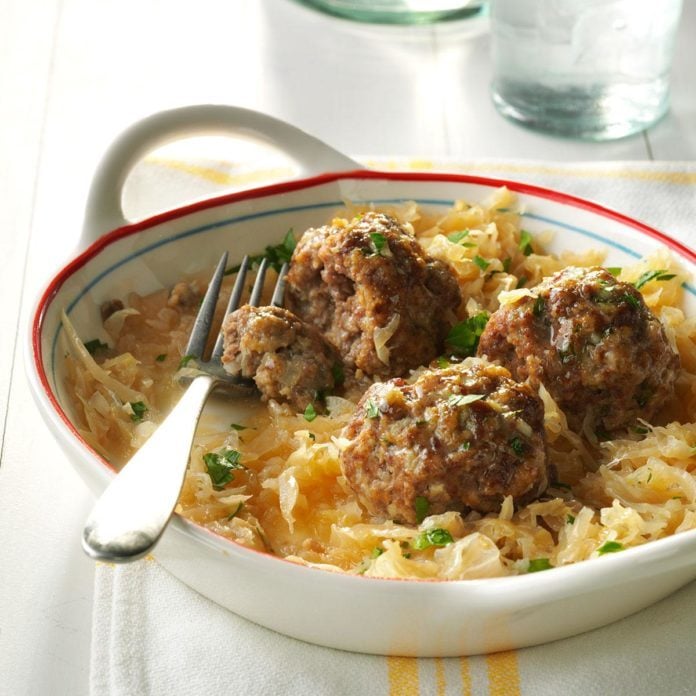
German Meatballs
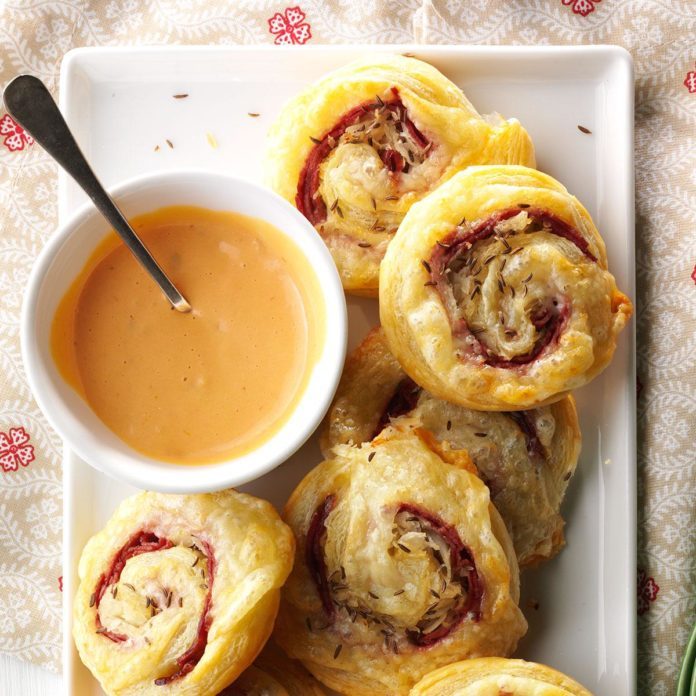
Reuben Rounds

Slow-Cooked Reuben Brats

Sauerkraut Chocolate Cake

Simple Sparerib & Sauerkraut Supper

Sauerkraut Hot Dish

Cranberry Sauerkraut Meatballs

Sausage and Sauerkraut

Toasted Reubens

New-World Stuffed Cabbage

Sauerkraut Latkes

Pork Tenderloin with Cran-Apple Sauerkraut

Reuben Noodle Casserole

Reuben Pizza

German Potato Salad with Sausage

Bacon-Wrapped Hot Dogs

Sloppy Ottos
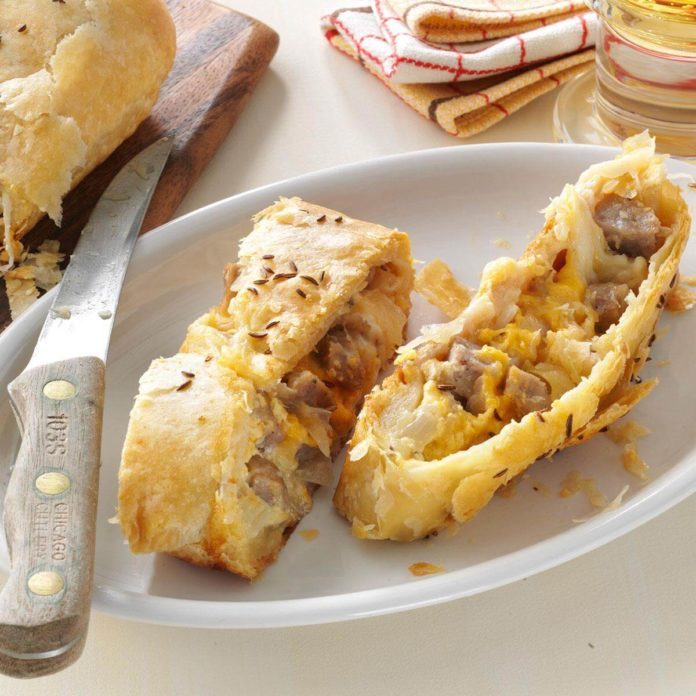
Oktoberfest Strudels
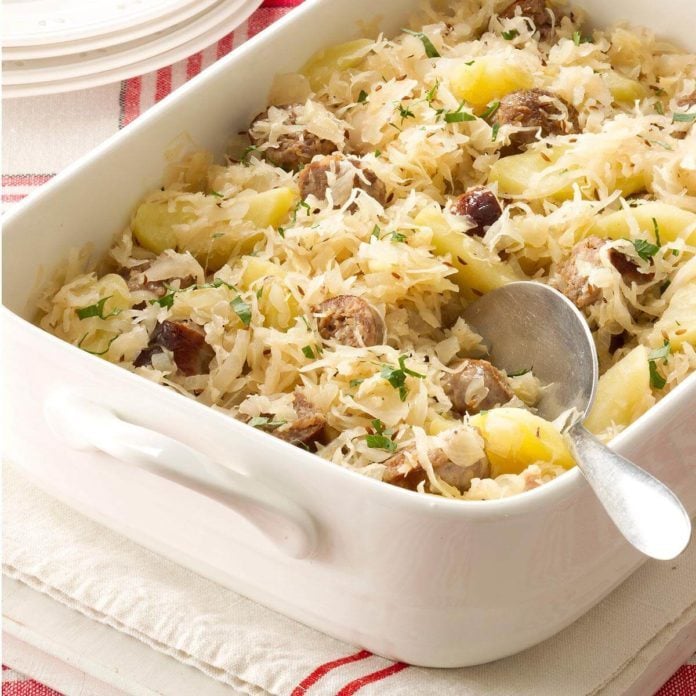
Sauerkraut Casserole

Reuben Waffle Potato Appetizers

Pitawurst

Mini Reuben Casseroles

Corned Beef 'n' Sauerkraut Bake

Caramelized Ham & Swiss Buns

Paddy's Reuben Dip

Hot Dog Sliders

Reuben-Style Pizza

Surprise Sausage Bundles

Northwoods Wild Rice Salad

Reuben Brunch Bake

Slow-Cooked Reuben Spread

Reuben Pudgy Pie
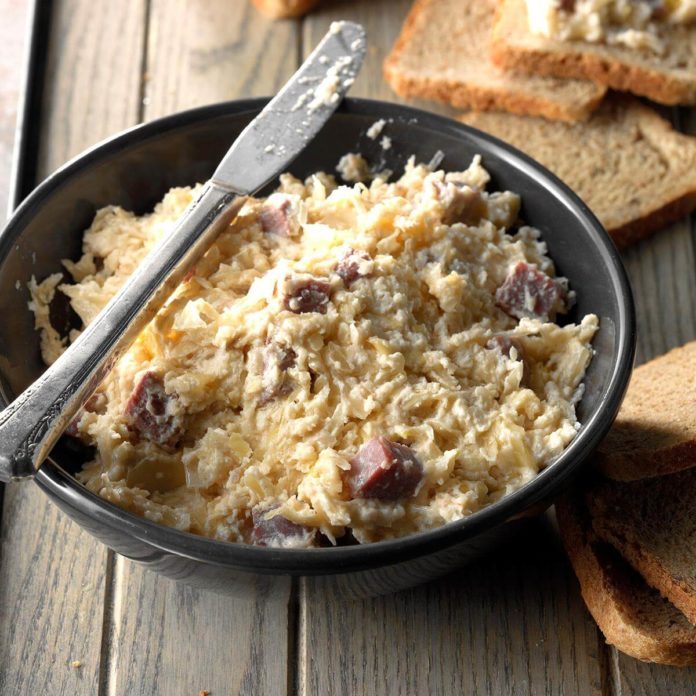
Slow-Cooker Reuben Spread

Grilled Beer Brats with Kraut

Reuben Bread Pudding

Reuben Spread

Oktoberfest Brats with Mustard Sauce

Reuben Eggs Benedict
Note: Every product is independently selected by our editors. If you buy something through our links, we may earn an affiliate commission.
The post Your Guide to the Health Benefits of Fermentation appeared first on Taste of Home.
Wendy Jo Peterson